
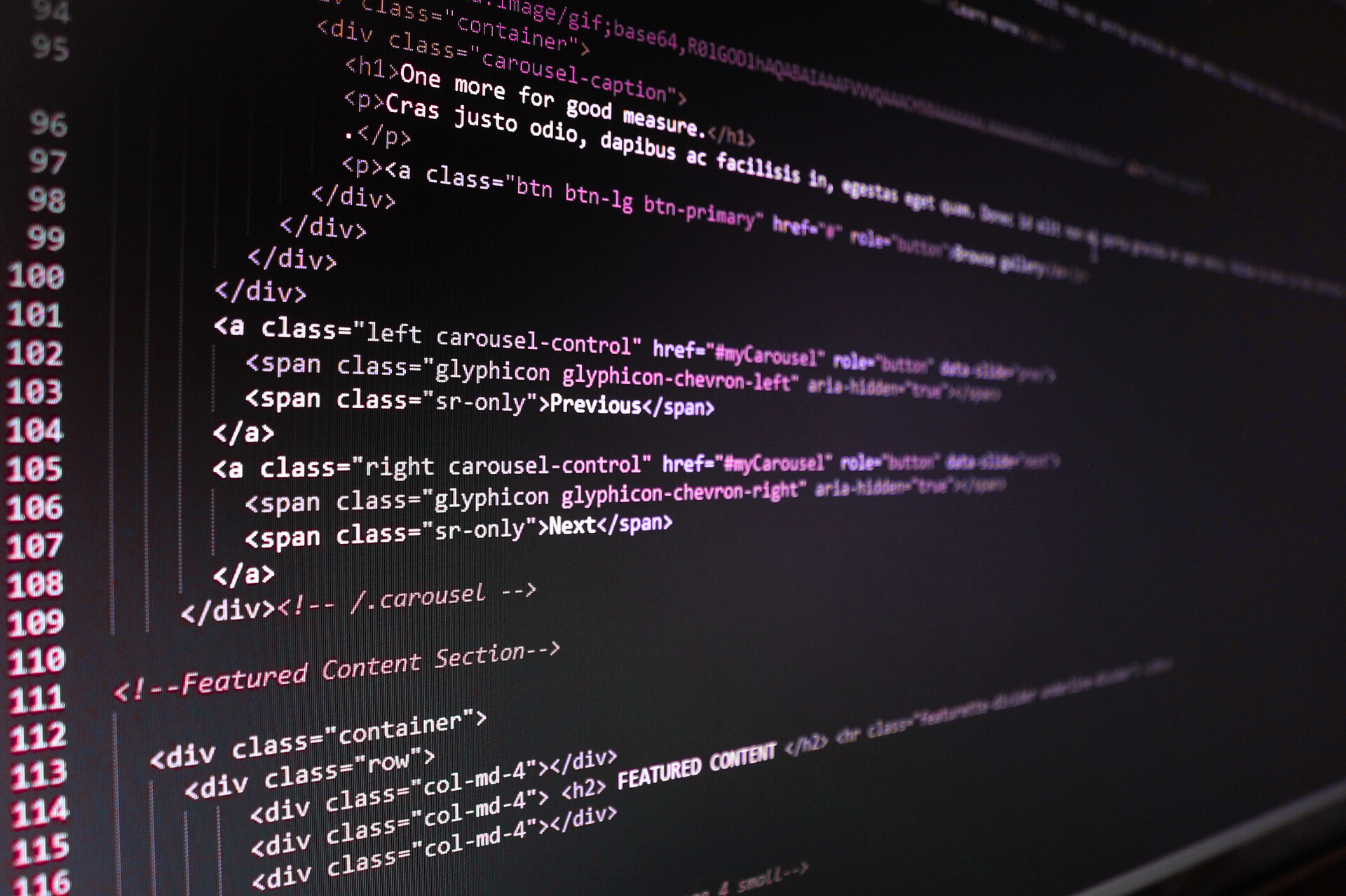
In the world of web development, there is a bad habit known as “div soup.” This happens when a developer uses the generic <div> tag for everything—headers, buttons, footers, and sidebars.
Visually, the site might look fine. But underneath, it is a structural disaster. At coreSkills Digital, we champion Semantic Web Design.
What is Semantic HTML?
Semantic HTML means using the correct HTML tag for the correct content. It is about meaning, not just presentation.
- A header goes in a
<header>tag. - The main content goes in
<main>. - A navigation menu goes in
<nav>.
Why does this matter?
1. Accessibility is Automatic Assistive technologies like screen readers use these tags to navigate. If you use <nav>, the screen reader announces “Navigation.” If you use <div class="menu">, the screen reader says nothing. Semantic code builds an inclusive experience by default.
2. SEO Benefits Search engines are essentially robots trying to read your content. When you use semantic tags like <article> and <h1>, you are explicitly telling Google, “This is the most important part of the page.” It gives you a ranking advantage over sites built with messy code.
3. Future-Proofing Browsers are built to handle standard HTML elements efficiently. By using the platform correctly, you ensure your site works on the devices of today and the unexpected devices of tomorrow.
codeSnippet
The next time you look at a website’s code, look for the landmarks. A well-built site should read like a book, with clear chapters (Sections) and headings, not just a chaotic pile of unlabelled containers.